
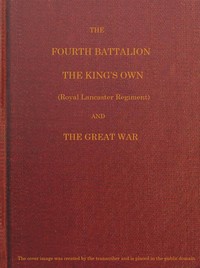
The Fourth Battalion, The King's Own (Royal Lancaster Regiment) and the Great…
J. Crossley's book isn't a novel. It's a meticulously researched regimental history, but it reads with the urgency of a story. It tracks the journey of the 4th Battalion of the King's Own (Royal Lancaster Regiment) from its formation in the patriotic fervor of 1914 through its trials in the trenches until the war's end.
The Story
The narrative starts in Lancaster and the surrounding towns. We see the battalion come together, often friends and neighbors joining up side-by-side. The book then follows them to training and finally to France and Flanders. Instead of vague mentions of 'the British line,' we get specific actions: their first major taste of combat, the brutal conditions of holding the line at places like Ypres, and the costly attacks they were part of. Crossley uses war diaries, letters, and personal accounts to show not just where they were, but what they experienced—the fear, the boredom, the loss, and the fragile camaraderie that kept them going.
Why You Should Read It
This book makes history feel real. By focusing on one battalion, you stop seeing a faceless army and start recognizing individuals and a community at war. You get a clear sense of the staggering scale of loss when you read about a company that marched into action and only a handful answered the next roll call. What struck me most was the tension between the battalion's local identity and the impersonal meat-grinder of the Western Front. These men fought for King and Country, sure, but they also fought for the mate from their street, and for the pride of their hometown. That human perspective is often missing from broader histories, and it's what makes this account so moving and memorable.
Final Verdict
This is a perfect pick for anyone interested in World War I who wants to move beyond the overviews. It's ideal for readers with a connection to Lancashire, military history enthusiasts who appreciate unit-level detail, and anyone who enjoys stories of resilience and community. If you've ever walked past a local war memorial and wondered about the names listed there, this book provides a powerful answer. It's a specific, human-sized window into a global catastrophe.
This digital edition is based on a public domain text. Share knowledge freely with the world.
Robert White
9 months agoExactly what I was looking for, thanks!
Kevin Johnson
11 months agoAmazing book.
Betty Smith
1 year agoThanks for the recommendation.
Kevin Lopez
3 months agoTo be perfectly clear, the emotional weight of the story is balanced perfectly. Definitely a 5-star read.







Joseph Thompson
3 months agoVery satisfied with the depth of this material.